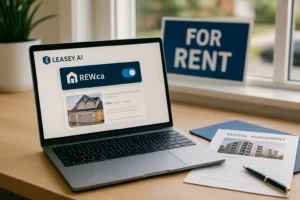
Comprehensive Tenant Screening at Your Fingertips
Advanced Screening Tools: Access comprehensive screening data including credit history, financial behavior, and employment income verifications with one click
Property management fees usually range from 8-12% of monthly rental income. Most landlords pay between $200-600 monthly, depending on their property type and location. Companies charge these fees to handle tenant screening, rent collection, maintenance coordination, and day-to-day property operations. Urban properties generally cost 30-40% more to manage than rural properties due to increased regulatory requirements and competitive market conditions.




Understanding Rental Property Management Fee Structures and Pricing Models
Property management costs depend on three main factors: the scope of services you need, your property type, and where your property is located. Most companies use percentage-based pricing (8-12% of rent collected) or flat monthly rates ($150-500). Full-service companies charge higher rates because they provide comprehensive tenant placement, maintenance coordination, and financial reporting. Budget providers may charge less upfront but sometimes skip important services like thorough tenant screening or timely maintenance responses, which can create problems later.Factors Affecting Property Management Costs
Your property management fee depends on several variables that differ by market and property. Urban residential properties cost more to manage than rural properties. This is due to stricter city regulations, more competitive markets, and tenants expecting faster service. Companies offering comprehensive tenant screening, regular maintenance, and dedicated support charge more than basic services. However, these services often help landlords avoid costly issues such as bad tenants or emergency repairs.Five Factors Determining Rental Property Management Fees
Five key variables affect how much you’ll pay for property management. Property type significantly impacts pricing. Multi-family properties often cost 20-30% more to manage than single-family homes because they require more tenant communication, maintenance scheduling, and regulatory compliance work. Location matters significantly: urban markets charge premium rates due to higher costs of doing business and tenant expectations. The service level chosen significantly impacts costs. Basic management might cost 5-8% of rental income. Full-service solutions reach 10-15% but include professional tenant screening, proactive maintenance, and better communication.Maximize Rent Collection Efficiency
Automated Rent Collection and Reminders: Simplify your rent collection process with automated invoicing, payment processing, and tenant remindersHow Different Property Types Affect Management Costs
Different property types require different levels of management expertise, which affects pricing. Commercial properties often cost 15-25% more to manage because they involve complex lease negotiations and specialized maintenance. Luxury residential units need professional marketing, careful tenant screening, and higher-touch service, which increases management costs by 20-40%. Properties with amenities like pools or fitness centers require specialized maintenance knowledge and additional oversight.
Common Rental Property Management Fee Pricing Models Explained
Property management companies use three main pricing structures. Percentage-of-rent pricing (8-12% of collected rent) scales automatically with your rental income. Fixed monthly fees ($150-500) give you predictable costs regardless of occupancy. Performance-based models tie the manager’s pay to results like occupancy rates or tenant satisfaction. Major cities like Toronto, Vancouver, and large U.S. metros charge 25-40% more due to higher operating costs and service expectations.Percentage vs Flat Fee: Understanding the Difference
Percentage-of-rent models align your manager’s incentives with yours. If you charge $2,000 monthly rent and pay 8%, your management fee is $160 – this adjusts automatically when rent increases or decreases. This structure motivates managers to maximize your rental income through smart pricing and tenant retention. Many property owners negotiate reduced fees during vacancy periods or bonuses for maintaining high occupancy. Percentage fees vary by market: rural areas might charge 6% while premium urban locations reach 14%.Typical Property Management Fees by Service Level
- Basic management: 6-8% of rental income for tenant placement and rent collection
- Standard full-service: 8-10% including maintenance coordination and monthly financial reports
- Premium management: 10-12% with extended support hours and thorough screening
- Luxury property management: 12-15% with enhanced service and tenant relations
- Initial setup costs: $300-1,500 depending on property complexity
- Marketing per vacancy: $600-800 for professional photos and listings
- Maintenance coordination: $125-200 per service call for contractor oversight
How Location Affects Rental Property Management Fee Costs
Where your property is located significantly impacts management costs. Urban centers charge 35-50% higher management fees than rural areas because they face higher operating costs, stricter tenant protection laws, and more service demands. High-cost markets like Manhattan, San Francisco, and Toronto see fees of 10-15%, while rural and suburban areas typically range from 5-8%. When comparing fees, consider the value received per dollar spent rather than just the percentage rate, because higher fees can correlate with better service and lower vacancy rates.Property Management Costs in Urban vs Rural Areas
Metropolitan areas create unique cost pressures. High-density urban markets need managers with expertise in local regulations, competitive marketing, and professional tenant relations. Cities with rent control or strong tenant protection laws require specialized legal knowledge and careful documentation. Modern property management companies use technology to provide better service while controlling costs, which can create advantages through faster communication and streamlined operations.
Benefits of Hiring a Professional Rental Property Management Company
Professional property managers bring specialized knowledge and systems that can improve your rental property’s performance. Experienced managers handle tenant communication, coordinate maintenance quickly, and screen applicants thoroughly. Professional tenant screening helps reduce problems with non-paying or difficult tenants. Quality management companies use market data to set competitive rental rates and find tenants faster.When Professional Management Makes Financial Sense
Professional property management companies provide integrated services designed to maximize your property’s performance. Comprehensive tenant screening includes background checks, credit analysis, and rental history verification. Regular maintenance prevents small issues from becoming expensive emergencies and keeps tenants satisfied. Professional managers handle lease agreements, resolve disputes, and conduct regular property inspections. They often negotiate better rates with contractors due to volume and established relationships.Key Benefits of Professional Management
- Understanding fee structures helps you make informed decisions about hiring a property manager
- Knowing typical rates enables better negotiation with management companies
- Market-based pricing knowledge helps you budget accurately
- Comparing services helps you evaluate which companies offer the best value
- Understanding costs helps you plan for growth and additional properties
- Professional maintenance coordination helps preserve your property’s value
- Systematic expense tracking helps maximize your rental profitability
How to Plan a Rental Property Management Fee Budget
Creating an accurate budget requires analyzing all your operational costs and planning for unexpected expenses. Property investors should budget for maintenance reserves, marketing costs, and operational overhead. Unexpected expenses like emergency repairs, faster-than-expected turnover, or compliance requirements often add 15-25% to projected budgets. Most investors allocate 10-15% of gross rental income for management fees and maintain 5-8% as an emergency fund.Hidden Costs in Property Management
Several costs beyond the basic management fee affect your profitability. Tenant turnover creates expenses including cleaning, repairs, marketing, and vacancy periods that can exceed one month’s rent. Deferred maintenance becomes more expensive over time – a $500 repair ignored today might cost $5,000 later. Review your property’s maintenance history to predict future costs more accurately. Budget for major repairs, system replacements, and property improvements to maintain your property’s value and tenant satisfaction.Tools and Strategies for Self-Management
Property owners can identify good management companies through careful research and comparison. Look beyond the base fee to evaluate service quality, response times, and client results. Read verified reviews, check performance history, and verify professional certifications. Focus on services that directly improve your property’s performance and tenant satisfaction rather than the lowest price.Tools and Strategies for Self-Management
Choosing the right property manager requires analyzing both cost and performance. Strong management companies demonstrate results through metrics like occupancy rates, maintenance response times, and tenant retention. Higher fees sometimes deliver better returns through lower vacancy rates, better tenant quality, and proactive maintenance. Compare companies based on vacancy reduction, tenant satisfaction, and how they improve your net income. Long-term partnerships with proven companies often provide better overall returns despite higher management fees.Property Types That Benefit from Professional Management
- Single-family homes benefit from professional tenant screening and maintenance coordination
- Multi-family properties require specialized expertise for tenant relations and compliance
- Luxury rentals need professional marketing and enhanced tenant service
- Commercial properties need sophisticated lease negotiation and specialized maintenance
- Vacation rentals require dynamic pricing and guest management
- Student housing benefits from specialized marketing and enhanced security for group living
- Senior housing requires care coordination and accessibility compliance expertise